AI Trends Shaping the Future of Industrial Inspection and Robotics
AI is no longer an emerging technology in machine vision. It's becoming the intelligence layer behind modern automation, transforming how engineers design systems, how integrators solve problems, and how manufacturers operate.
At the time of this writing, it's July 16, AI Appreciation Day—an observance created to recognize AI's contributions to society and encourage discussion around responsible innovation and ethics.
To mark the occasion, Vision Systems Design is examining five AI trends redefining machine vision and industrial automation, from smarter inspection and guidance systems to new applications that were impractical just a few years ago.
Together, these trends highlight how AI is moving beyond isolated applications to become a foundational component of modern machine vision systems.
AI-Driven Adaptability and Robustness in Machine Vision
Today’s vision systems are shedding their rigidity, becoming resilient and flexible partners in manufacturing. Cognex CEO Matt Moschner captures this shift perfectly: AI is embedded deeply into machine vision to help systems handle complex, variable products with less manual intervention. This means engineers get tools they can trust to maintain quality and agility in high-mix, fast-changing production environments.
For those of you leading integration, this creates an opportunity to elevate designs from static hardware setups to evolving, intelligent systems that grow smarter over time.
Market Dynamics Shaping AI and Robotics Innovation
The AI and robotics market might seem chaotic, but it offers opportunity for those ready to move fast. Jonathan Sparkes of Interact Analysis highlights how competitive pressures, new application sectors, and shifting customer demands are driving rapid software innovation. Agile AI solutions are becoming increasingly important as suppliers pursue opportunities in emerging sectors such as defense and advanced robotics.
Integrators that adapt quickly may be better positioned to capitalize on these emerging opportunities.
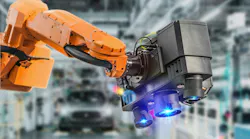 AI and 3D machine vision
Emergence of Embedded AI and Advanced Sensor Technologies
Embedding AI directly on smart cameras and pairing it with cutting-edge sensors like SWIR is a significant advancement. This setup delivers real-time intelligence right where it’s needed—on the edge—eliminating latency and dependence on cloud processing. It’s about turning cameras into active decision-makers instead of passive image collectors.
The shift toward edge intelligence requires new expertise in embedded processing but rewards teams with systems capable of making decisions in real time.

Simplification and Scalability of Industrial AI Deployment
One of the biggest roadblocks to AI adoption has been complexity and risk. Now, advanced platforms promise to simplify multi-camera, real-time AI inspections with built-in security, scalability, and cost-effectiveness. This helps integrators deploy solutions faster, reduce operational risks, and demonstrate clearer ROI to customers.
Moving from fragmented, bespoke AI projects to scalable, standardized platforms is a major leap forward—one that will accelerate industrial AI integration across industries.
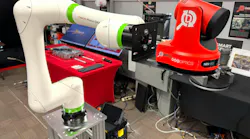 detectit_ptzoptics_fanuc_inspection_vsd
Enhanced AI Capabilities in Visual Classification and Defect Detection
AI is highly effective at classification, segmentation, and defect detection—but only where it’s combined with expert system design tailored to unique manufacturing contexts. This complexity is where true leadership shows, ensuring AI tools serve your exact quality and throughput goals.
The power isn’t just in the algorithm but in how thoughtfully you architect the entire inspection system for reliable, repeatable excellence.
 2024 Automate attendees waiting for show to open
The Next Iteration of AI
Beyond these developments, another concept is beginning to gain traction across the automation landscape: physical AI—the nexus of AI, robotics, sensors, and embodied intelligence. Looking forward, Vision Systems Design is gearing up to cover physical AI more extensively. As automated systems evolve from static, set-and-forget devices into dynamic, learning machines that adapt to their environments, this convergence will redefine what it means to build intelligent automation.
For you—the engineers and integrators at the forefront—this means preparing for a future where machines not only see but think and act more autonomously, widening the scope and impact of your expertise.
This AI Appreciation Day, remember that AI is more than code and data. It is the technology driving the next generation of machine vision and automation. As adoption accelerates across industries, the work you do to build, integrate, and optimize intelligent vision systems will play a defining role in what comes next.
About the Author
 Sharon Spielman
Sharon Spielman
Head of Content
Sharon Spielman joined Vision Systems Design in January 2026. She has more than three decades of experience as a writer and editor for a range of B2B brands, most recently as technical editor for VSD's sister brand Machine Design, covering industrial automation, mechanical design and manufacturing, medical device design, aerospace and defense, CAD/CAM, additive manufacturing, and more.